Post 7 of The Torch of the Testimony Review
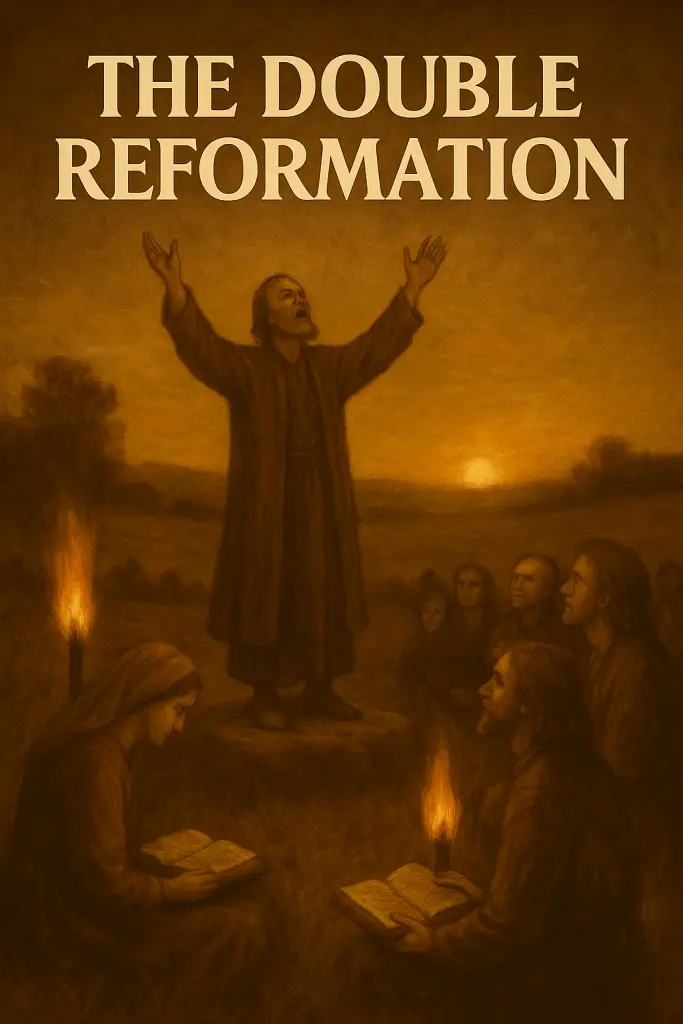
The Protestant Reformation reasserted foundational truths — the authority of Scripture and justification by faith. But within a century, the flame began to flicker once again. Cold orthodoxy replaced vibrant faith. Doctrinal precision reigned, but spiritual fervor waned. Into this dryness came a second wave — a Double Reformation — not of creed, but of heart.
In The Torch of the Testimony, John W. Kennedy traces how Pietism and Methodism reignited the personal and practical life of the Church. These movements didn’t start with theological disputes. They began with a cry: Where is the power? Where is the holiness? Where is the Spirit?
Pietism: Reforming the Reformed
Beginning in 17th-century Germany, Pietism emerged within Lutheranism as a call to revive personal holiness, Bible study, and practical obedience. Leaders like Philip Jakob Spener and August Hermann Francke emphasized:
- Small group fellowship (collegia pietatis)
- The new birth and inner transformation
- Practical love, missions, and charity
- The Bible in the hands and hearts of the people
They didn’t aim to leave the Church — they aimed to revive it from within. But their very success revealed something sobering: the institution could house truth and still lack life.
Kennedy highlights their commitment to Scripture and Spirit — a rare combination in any age.
Methodism: Fire on the Fields
Meanwhile, in 18th-century England, the Methodist movement exploded under the fiery preaching of John and Charles Wesley, George Whitefield, and many lay laborers. They preached:
- The new birth as a present reality
- Sanctification and entire devotion to Christ
- Outdoor preaching, class meetings, and accountability
- Evangelism among the poor, the miners, and the forgotten
The Church of England had form without fire. Methodism brought both. It was disruptive — because it was alive.
Kennedy sees in Methodism a recapturing of the primitive Church’s urgency. These were not theologians debating predestination. These were Spirit-filled men urging sinners to flee from the wrath to come.
A Living Witness
What made Pietism and Methodism powerful was not just their teaching — but their testimony. Their leaders lived what they preached. Their assemblies were marked by:
- Prayer
- Testimony
- Scripture reading
- Loving fellowship
They carried the pattern of Acts 2 into the halls of Germany and the hills of England. And they multiplied — not by institution, but by spiritual contagion.
Typology: Oil in the Lamps
These movements are like the wise virgins in Matthew 25 — those who not only had lamps (truth), but oil (Spirit, intimacy, readiness). The Protestant Reformers recovered the lamp. Pietists and Methodists rekindled the flame.
They also fulfill the role of Elisha after Elijah — not breaking new ground doctrinally, but carrying the Spirit with double fervency.
The Limits and the Legacy
Kennedy is honest: both Pietism and Methodism eventually institutionalized. The fire cooled. The forms returned. But while they burned, they burned brightly — and many were truly changed.
Their legacy endures not in their denominations, but in their testimony: Spirit-filled gatherings, devoted lives, and burning hearts.
As Kennedy writes:
“It is not enough to teach truth. It must be lived, preached with power, and bathed in prayer.”
Overcomer’s Checkpoint
- Do I settle for knowing the truth, or do I burn with it?
- Is my faith cold and correct — or living and surrendered?
- Would I be counted among the burning hearts — or the sleeping virgins?