Post 6 of The Torch of the Testimony Review
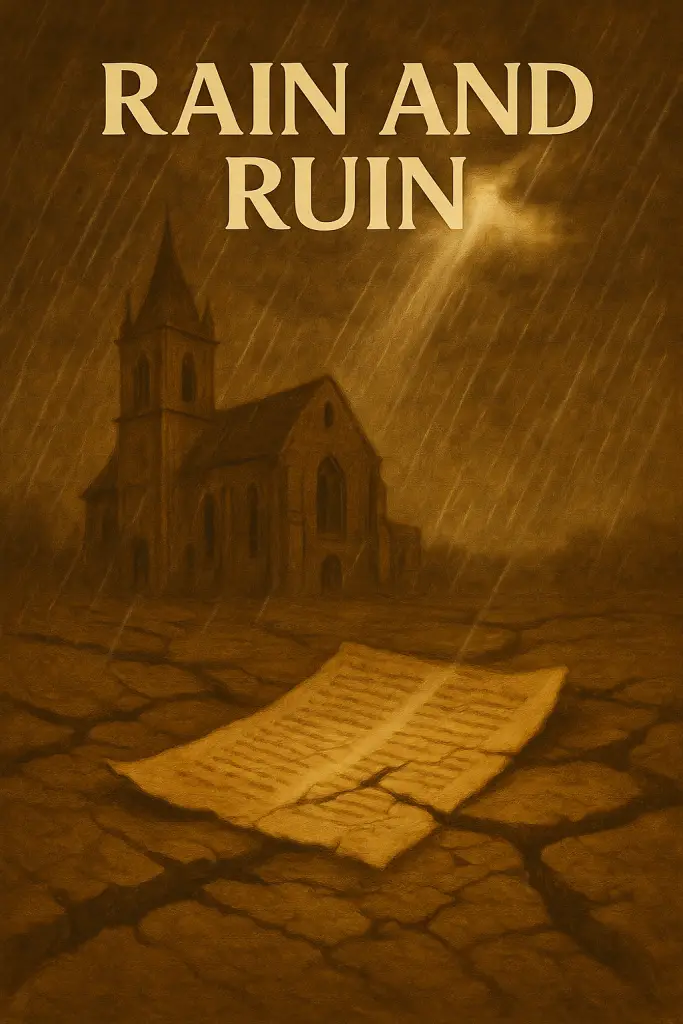
By the 1500s, the institutional Church had become a bloated empire — corrupted by greed, superstition, and unbiblical power. The light of apostolic truth had been all but buried beneath centuries of tradition. Then came the Reformation — a burst of rain upon parched ground. But while it watered the soil, it did not uproot every weed.
John W. Kennedy, in The Torch of the Testimony, recognizes the Reformation as a partial return to spiritual truth — a movement that rediscovered the authority of Scripture and the doctrine of justification by faith. Yet he also exposes its tragic limits: the continued entanglement with political power, the retention of clericalism, and the persecution of those who pressed further into spiritual liberty.
The Light that Broke Through
The Protestant Reformation recovered key biblical truths:
- The sufficiency of Scripture over church tradition
- Justification by faith over works-based salvation
- The priesthood of all believers, at least in doctrine
- Congregational singing, preaching, and vernacular Bibles
Men like Martin Luther, Ulrich Zwingli, and John Calvin stood boldly against Rome. They risked — and sometimes lost — everything to proclaim the gospel.
Kennedy does not minimize their courage. He honors the providential shift they initiated. Many believers today owe their access to Scripture and sound doctrine to the courage of these men.
But something was left undone.
The Limits of Reform
While the Reformers left Rome, they often kept her methods:
- State-church alliances continued
- Infant baptism was enforced
- Clerical robes, sacraments, and hierarchy persisted
- Dissenters — especially Anabaptists — were persecuted and executed not just by Catholics, but by Protestants
Kennedy is clear: “The Reformation was a work of God, but it was not a full return to New Testament simplicity.”
Wherever reform merged with politics, it compromised. Luther’s appeal to the princes gave the gospel political protection — but also political constraints. Calvin’s Geneva became a theocratic experiment — one that burned dissenters at the stake.
The overcomer must discern this: the Reformation brought rain — but not restoration.
Typology: Asa, Jehu, and the Incomplete Cleansing
Scripture shows us men who began well, but stopped short:
- King Asa removed idols, but failed to remove the high places (1 Kings 15:14)
- King Jehu overthrew Baal worship but clung to Jeroboam’s golden calves (2 Kings 10:28–29)
- The Israelites came out of Egypt but fell short in the wilderness
The Reformers tore down many falsehoods — but left other idols standing.
The Forgotten Ones: The Anabaptist Fire
Kennedy praises those who pressed further — the Anabaptists and radical reformers who rejected state-church systems entirely. They returned to:
- Believer’s baptism
- Voluntary fellowship
- Separation from the world
- Nonviolence and suffering for Christ
For this, they were hounded by both Catholics and Protestants. Yet their assemblies more closely resembled the early Church than any cathedral or university of the Reformation.
These were not theologians on thrones. They were torchbearers in fields and forests, hiding, praying, and living the gospel at great cost.
Spiritual Insight: Revival Must Become Reformation
The Reformation was a revival of truth — but not always of spirit. Power was transferred from pope to preacher, but not always from man to Christ. True reformation restores not only doctrine, but divine order — Christ as Head, the Spirit as Guide, and every believer a priest unto God.
As Kennedy writes:
“What was recovered had to be preserved — but not by force. The truth must be kept alive by those willing to die for it, not kill for it.”
Overcomer’s Checkpoint
- Do I venerate the Reformers while ignoring the reforms they refused to make?
- Am I content with restored doctrine, or do I long for restored spiritual power?
- Would I follow Christ if it meant rejecting both Rome and Reformed religion?