Post 4 of The Torch of the Testimony Review
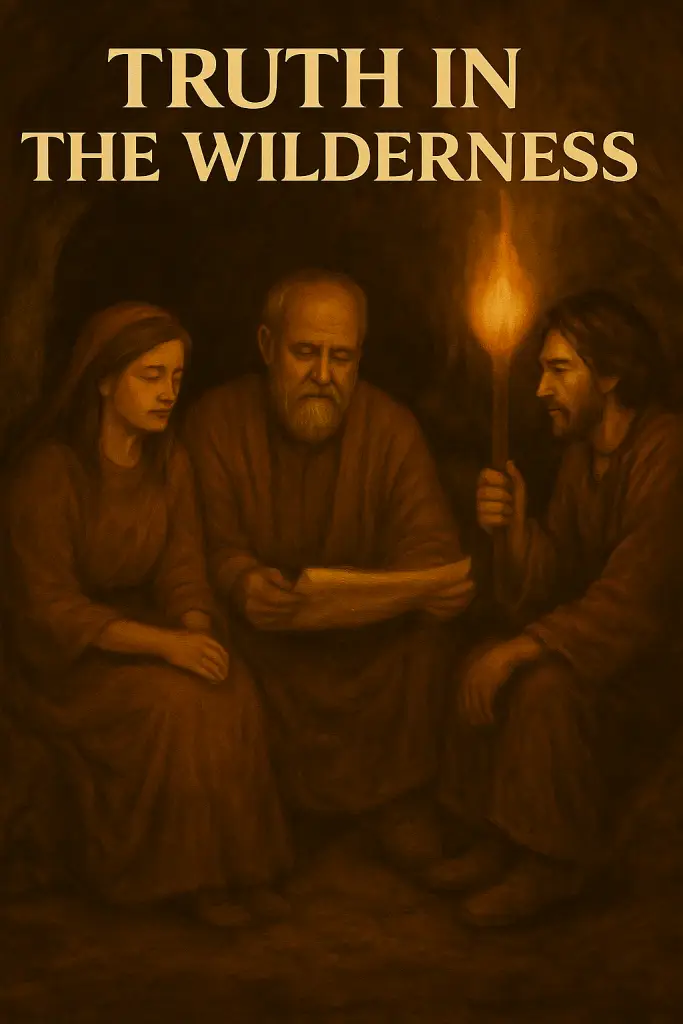
As the institutional Church grew in size and stature, the Spirit-led assemblies of the early days became increasingly rare. Ritual replaced relationship. Hierarchy replaced humility. But God was not without a witness.
In The Torch of the Testimony, John W. Kennedy highlights two early movements — the Montanists and the Novatians — who refused to bow to the growing compromise. They did not reform the system from within. They stepped outside the camp. And in doing so, they preserved a flickering but faithful flame.
Montanists: The Spirit Still Speaks
The Montanist movement began in the late second century in Phrygia (Asia Minor). Montanus, along with two prophetesses, Priscilla and Maximilla, declared that the Church had quenched the Holy Ghost and returned to formality. Their cry was simple: The Spirit still speaks.
While later writers accused them of fanaticism, Kennedy shows that their original emphasis was not heretical. They affirmed:
- The continuing work of the Holy Spirit
- The soon return of Christ
- A holy, separated life
- The call to suffer for Christ’s name
They believed the age of prophecy had not ended, and that the Church must be revived by the Spirit. This alarmed the bishops who were busy consolidating authority. The Montanists were quickly branded heretics — not for denying Christ, but for denying clergy control.
Kennedy notes that “the real issue was spiritual liberty versus ecclesiastical authority.”
Novatians: No Compromise with Sin
A century later, during the aftermath of persecution under Decius (250 A.D.), many Christians who had denied the faith under threat of death were now seeking readmission into fellowship. The mainstream Church welcomed them back with ease. Novatian disagreed.
Novatian taught that apostasy required repentance, not reinstatement. He rejected what he saw as cheap grace. Those who had publicly renounced Christ must show deep contrition and fruit before being restored. His followers formed separate assemblies across the empire, sometimes referred to as “the pure.”
Though Kennedy does not glorify Novatian’s rigidity, he affirms their moral clarity — they would not trade holiness for numbers. Their separation was not pride; it was pain. But they believed that to remain faithful, they had to walk alone.
Outside the Camp: A Biblical Pattern
These movements reflect a recurring scriptural reality: God often preserves truth outside the mainstream.
- Elijah thought he was alone — but God had 7,000 in reserve.
- John the Baptist prepared the way of the Lord in the wilderness.
- Jesus was crucified “outside the camp” (Heb. 13:13), calling us to bear His reproach there.
Truth often flees to the margins before it returns in power.
Kennedy remarks:
“The Church as institution cast out the very elements which once gave it life.”
But the expelled often became the flame-carriers.
Spiritual Insight: Wilderness as Preservation
The wilderness is not judgment — it is protection. God led Israel into the desert to purify them. He called Moses out before sending him back in. He drove the Church underground not to weaken it, but to preserve it.
The Montanists and Novatians may have lacked polish, but they had passion. They sought reality, not ritual. Their assemblies were informal, fervent, and often persecuted. Yet the torch passed through them — not extinguished, but hidden until it could burn again.
Typology: David and the Cave of Adullam
These wilderness believers resemble David and his mighty men, gathered in caves while Saul sat on the throne. The cave was not glamorous, but it formed warriors. So too the Montanists and Novatians — men and women driven from the system, yet formed into a spiritual army.
God still gathers His remnant in caves today.
Overcomer’s Checkpoint
- Am I willing to follow truth, even if it leads me outside the camp?
- Do I value the presence of the Spirit more than the approval of the crowd?
- Am I prepared to suffer reproach for Christ’s sake?