(Truth in the Last Days — Post 8)
Wrath vs. Tribulation
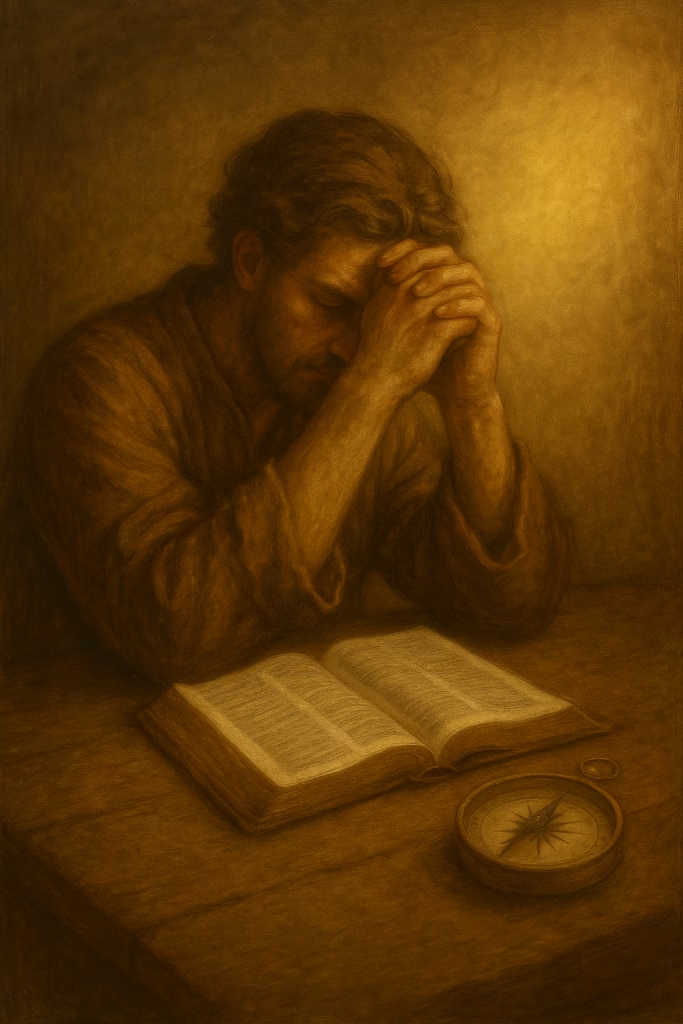
Many believers have been taught that the moment the Lamb opens the seals in Revelation 6, the world immediately falls under the wrath of God. But that is not what the text says — and it’s certainly not what the rest of Scripture affirms.
Tribulation and wrath are not the same thing:
- Tribulation is the world’s hatred and Satan’s opposition to the saints.
- Wrath is God’s righteous judgment poured out upon the unbelieving world.
Conflating these two has led millions to expect escape rather than endurance — and when trials come, faith falters.
“In the world ye shall have tribulation: but be of good cheer; I have overcome the world.” — John 16:33
The Seals Are Not Wrath — They Are Revelation
The opening of the seals in Revelation 6 is not the unleashing of wrath; it is the unveiling of Christ’s sovereign control over human history.
Each seal reveals a reality that has characterized the Church age since Pentecost: conquest, war, famine, death, martyrdom, and cosmic upheaval — the world convulsing as Christ’s kingdom advances.
It is the Lamb, not the destroyer, who opens the seals. The scene is not of fury but of divine governance — the Redeemer asserting His right to rule.
Wrath, on the other hand, begins only when the vials are poured out in Revelation 15–16:
“And I saw another sign in heaven, great and marvellous, seven angels having the seven last plagues; for in them is filled up the wrath of God.” — Revelation 15:1
The text itself distinguishes tribulation from wrath — one refines the saints, the other judges the wicked.
The Seals Mirror Jesus’ Own Words
Every seal in Revelation 6 parallels the Olivet Discourse of Matthew 24:
| Matthew 24 | Revelation 6 |
| False christs | White horse |
| Wars and rumors | Red horse |
| Famine | Black horse |
| Pestilence and death | Pale horse |
| Persecution of saints | Cry of martyrs |
| Cosmic disturbance | Sun darkened, stars fall |
This is not wrath — it is the ongoing tribulation of the Church age. John was already a “companion in tribulation” when he wrote (Revelation 1:9). The seals describe what the Church has endured for two thousand years, not what it will “miss” after a secret rapture.
The Subjunctive Argument: A Red Herring
Some argue that John 16:33’s Greek verb implies uncertainty — “you might have tribulation.” But the context leaves no room for doubt.
Jesus didn’t say “if”; He said “ye shall.” The same word appears throughout the New Testament describing what is certain to occur. It’s the promise of victory through endurance, not ambiguity about whether believers will suffer.
“If we suffer, we shall also reign with him.” — 2 Timothy 2:12
The Western Blind Spot
Modern Christians, especially in the West, often fail to grasp that persecution is not an exception but a norm of true discipleship.
When one says, “No believer in America has been persecuted for 100 years,” they reveal how domesticated their gospel has become. Comfort breeds blindness. But around the world, countless believers still suffer for the same faith that Western Christianity too often treats as a convenience.
Tribulation is universal; only comfort is cultural.
“Yea, and all that will live godly in Christ Jesus shall suffer persecution.” — 2 Timothy 3:12
The Real Context: Revelation Is About the Lamb, Not a Timeline
The book begins with these words:
“The Revelation of Jesus Christ…” — Revelation 1:1
It is not the revelation of the Antichrist, nor a chronological chart of judgments. It is the unveiling of the triumph of the Lamb — His authority, His Church’s endurance, and His ultimate victory over evil.
Those who read it as a timetable of wrath miss its heartbeat: that the overcomer reigns with the Lamb, even while the world rages.
The Overcomer’s Insight
The Church is not raptured out of tribulation; she is refined in it.
The wicked are not refined in wrath; they are consumed by it.
That is the divine line of distinction: tribulation produces saints, wrath destroys sinners.
“He that shall endure unto the end, the same shall be saved.” — Matthew 24:13