Side-by-Side Scriptures
KJV (1 Cor. 16:13)
“Watch ye, stand fast in the faith, quit you like men, be strong.”
NKJV (1 Cor. 16:13)
“Watch, stand fast in the faith, be brave, be strong.”
KJV (Heb. 12:4)
“Ye have not yet resisted unto blood, striving against sin.”
KJV (2 Pet. 1:3–4)
“According as his divine power hath given unto us all things that pertain unto life and godliness, through the knowledge of him that hath called us to glory and virtue:
Whereby are given unto us exceeding great and precious promises: that by these ye might be partakers of the divine nature, having escaped the corruption that is in the world through lust.”
1. The Language of Heaven Is Fierce
Christians often don’t realize how modern versions soften God’s Word. They think the difference is just style or readability, but it cuts much deeper.
The King James Bible speaks in the uncompromising language of heaven:
- Fierce, absolute.
- Giving no quarter to the enemy.
- Commanding victory, not suggesting bravery.
Modern translations, like the NKJV, tame this tone. They exchange the rallying cry “Quit you like men” for “Be brave.” They take the battlefield out of the believer’s Bible.
The King James Bible retains the language of heaven — words written to overcomers, commanding us to live victoriously. “Quit you like men” isn’t a cultural idiom we can discard. It’s heaven’s call to maturity, courage, and responsibility.
The NKJV weakens it to “be brave,” which sounds like what a parent tells a child with a scraped knee. It is emotional reassurance, not the commanding tone of heaven.
2. The Context of Spiritual Warfare
Paul closes his letter to a struggling church with four military charges:
- Watch ye — stay spiritually alert.
- Stand fast in the faith — hold the line against error.
- Quit you like men — act with manly courage, responsibility, and faith.
- Be strong — not in self, but in the Lord.
The KJV keeps the battlefield alive. The NKJV domesticates it.
3. Caleb vs. the Cowards
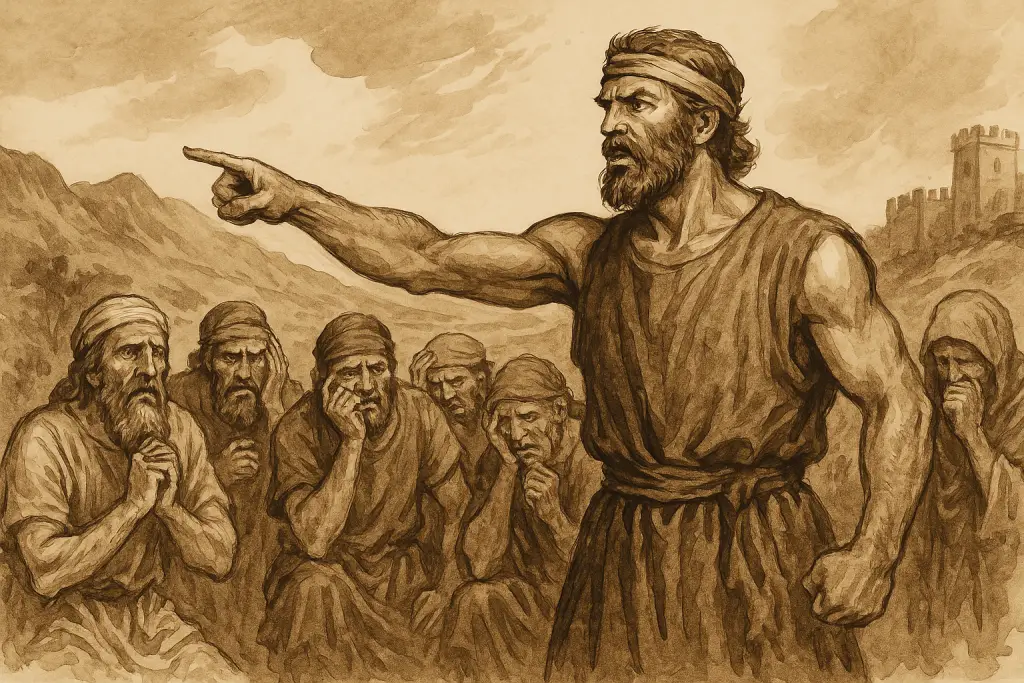
Numbers 13 shows us the contrast. Caleb stilled the people and declared:
“Let us go up at once, and possess it; for we are well able to overcome it.” (Num. 13:30)
That’s the voice of heaven — the command of victorious living. But the other spies brought back an evil report: “We be not able… the land eateth up the inhabitants.” (Num. 13:31–32)
The NKJV’s “be brave” sounds more like the fearful ten spies — soft, hesitant, uncertain. The KJV’s “quit you like men” matches Caleb’s faith-filled cry: “We are well able.”
Modern Bibles soften heaven’s command. They reinforce unbelief and hesitation rather than calling us to take ground in Christ.
Heaven has given us no other choice. We are called to overcome.
4. Doctrinal Implications
Language forms our faith. When the Bible softens its commands, believers lose their sense of militant discipleship. A church trained on “be brave” will not stand against sin, Satan, or the world. A church grounded in “quit you like men” will.
The King James Bible preserves the heavenly cadence of the Overcomer’s life.
5. Resisting Unto Blood
“Ye have not yet resisted unto blood, striving against sin.”
Heaven’s Word does not coddle defeat. It calls us to fight to the last breath. To strive against sin until blood is shed if need be.
There is no category for losers, compromisers, or failures in heaven’s language. God commands us to overcome in Christ.
6. All Things Given — No Excuses
2 Peter 1:3–4 reinforces this truth. The KJV tells us:
- God’s divine power has already given us all things that pertain unto life and godliness.
- He has called us to glory and virtue, not weakness and compromise.
- He has given us exceeding great and precious promises.
- We are called to be partakers of the divine nature.
- We have escaped the corruption of the world through Christ.
This is the language of heaven. It leaves no excuses, no compromise, no softness. The KJV preserves the sharpness of that promise, commanding believers to live as overcomers in Christ.
7. The Real-Life Fruit of Weak Language
A sister in the Lord wrote about her own son:
“So disappointed with this NKJV translation because that’s what my 38-year-old son uses as he finds the KJV difficult. I had reason to tell him to man up and grow a pair tonight and stop being such a pushover to Satan’s temptations. ‘Be brave’ is just not the same as ‘quit yourself like a man.’ It sounds so pathetic.”
This is the fruit of modern versions. They leave men unarmed, weak, and defeated. They confirm feelings of failure rather than call forth the spirit of Caleb.
8. The Call of the Overcomer
The KJV never lowers the standard. Its words echo the very throne of God:
- “Quit you like men.”
- “Be strong in the Lord.”
- “We are well able.”
- “Resist unto blood.”
- “All things that pertain unto life and godliness.”
That is heaven’s vocabulary for overcomers. It leaves no room for compromise. It calls us to live in Christ’s victory, for there is no other way.
Conclusion
This is why I trust the King James Bible. It preserves the voice of heaven — fierce, uncompromising, and commanding victorious living.
The Church does not need pep-talks. It needs Caleb’s cry, Peter’s assurance, Paul’s command, and the Spirit’s voice through the KJV:
“Watch ye, stand fast in the faith, quit you like men, be strong.”