(Job 12–14 | Chapter X of Jessie Penn-Lewis’s *The Story of Job*)
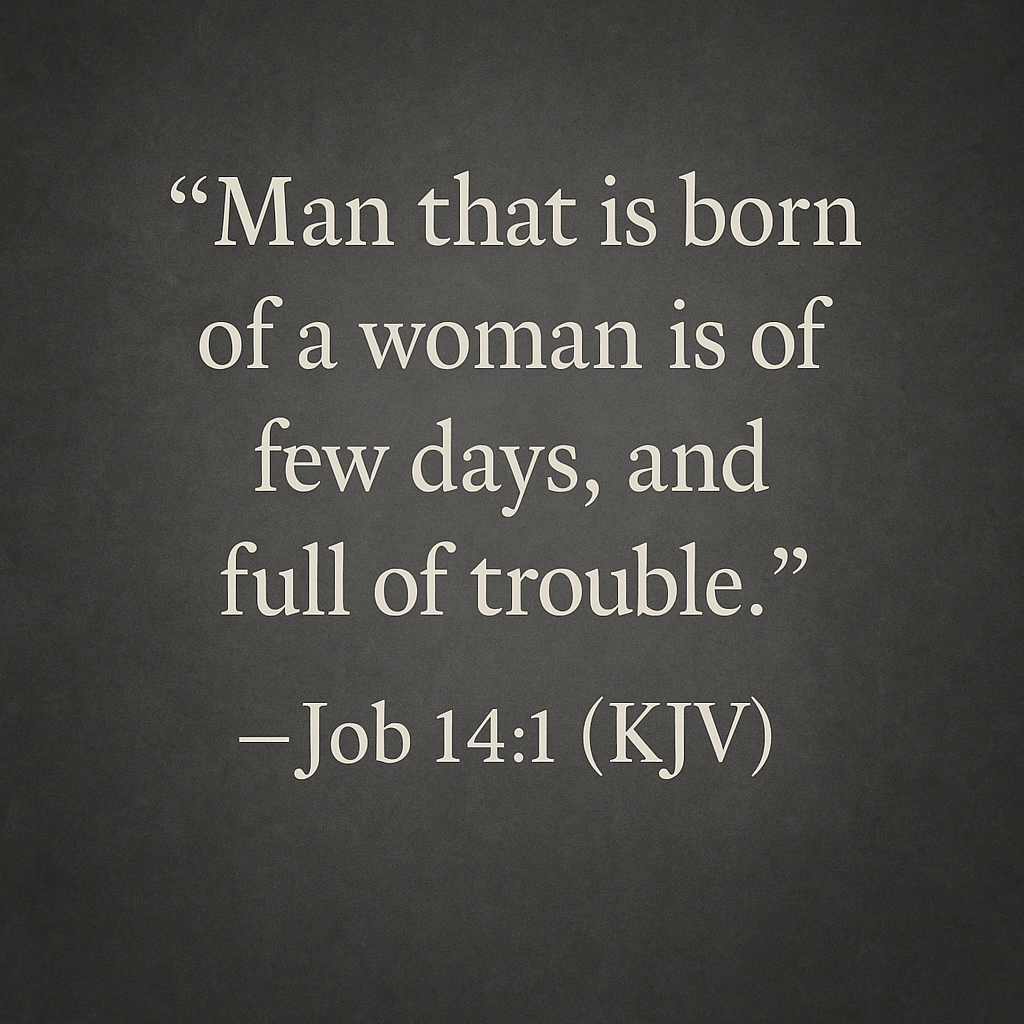
“Man that is born of a woman is of few days, and full of trouble.” —Job 14:1 (KJV)
Job has heard from Eliphaz, Bildad, and Zophar. Each friend has pierced deeper. Now, with the heart of a man both wounded and unwavering, Job speaks again.
He is not defending pride. He is defending truth—not just about himself, but about God.
Mocked by Friends, Misunderstood by God
Job begins with sarcasm:
“No doubt but ye are the people, and wisdom shall die with you.” (12:2)
But beneath the sarcasm lies grief.
– He sees truth twisted.
– He sees the wicked thriving.
– He sees himself mocked for trusting in God.
Jessie Penn-Lewis writes:
“Job’s soul was staggered—not by pain alone, but by the blindness of those who should have understood.”
A Theology Deeper Than His Friends’
Job affirms God’s sovereignty:
“With him is strength and wisdom: the deceived and the deceiver are his.” (12:16)
But he also voices agony:
“He hath destroyed me on every side… he hath put mine hope away like a tree.” (19:10)
Job is not denying God. He is wrestling with Him.
Penn-Lewis observes:
“True faith often passes through deep valleys, where the soul can no longer trace God—but must trust Him still.”
A Cry from the Ashes
Job pleads for a hearing:
“Only do not two things unto me: then will I not hide myself from thee.” (13:20)
He speaks with stunning honesty:
– “Wherefore hidest thou thy face?”
– “Wilt thou break a leaf driven to and fro?”
– “And dost thou open thine eyes upon such an one?”
These are the questions of a soul that still believes—but no longer understands.
A Word for All Mortals
Job ends with a reflection on human frailty:
“Man that is born of a woman is of few days, and full of trouble.” (14:1)
He asks:
– Why are we given such short lives?
– Why watch over us only to crush us?
– Can a man live again?
He doesn’t yet see resurrection clearly—but he reaches for it.
Penn-Lewis’s Insight
“In this portion, Job stands alone against men and in confusion before God—yet his faith has not departed. It is a faith refined, not erased.”
Overcomer’s Checkpoint
1. Do I trust God even when I cannot trace Him?
2. What does Job’s honesty teach me about how to pray in suffering?
3. Am I able to hold faith and questions together without losing either?
“When the soul can no longer trace God—it must trust Him still.” —Jessie Penn-Lewis