Discovering the Divine Design of the KJV
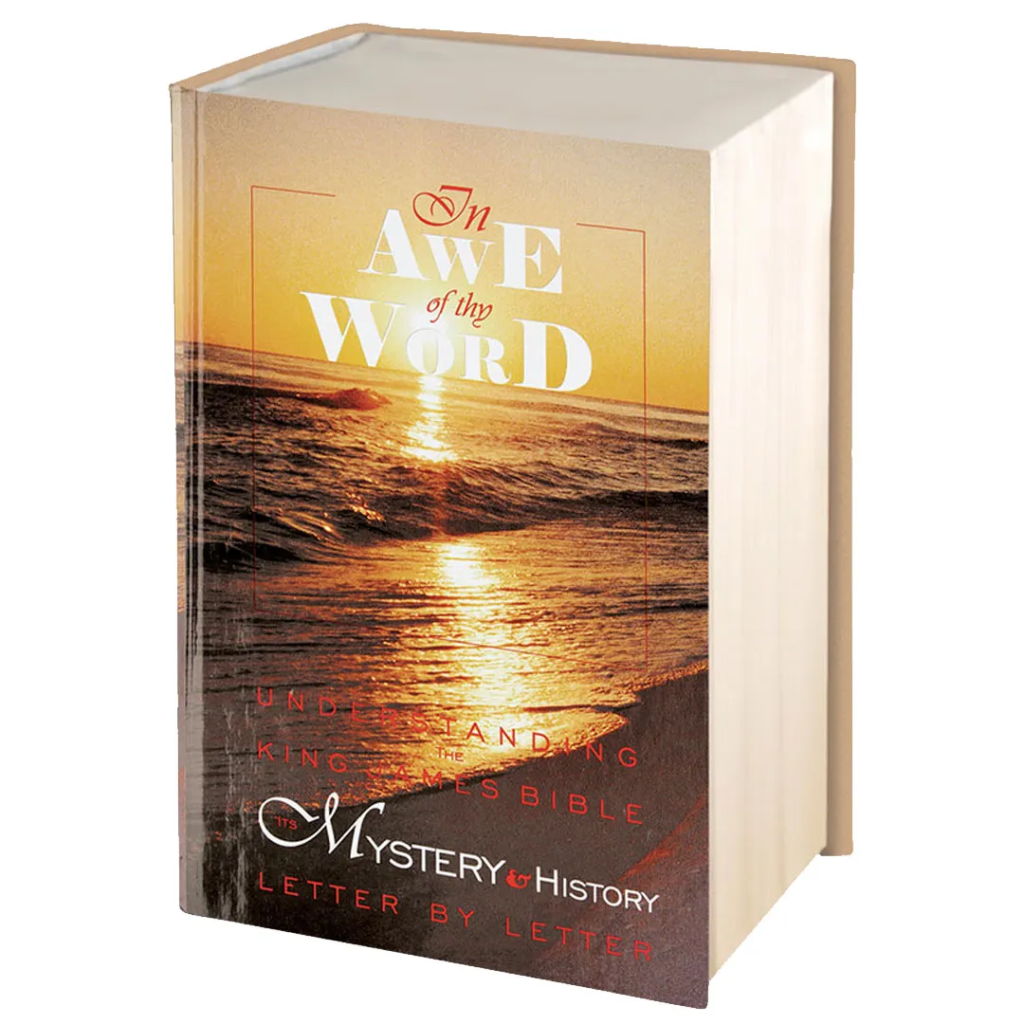
*In Awe of Thy Word* is not just a book — it is a worshipful journey into the heart of the Scriptures. In over 1,200 pages, Gail Riplinger peels back the veil to show that the King James Bible is more than a translation — it is a miracle of divine orchestration, down to the very syllables.
Where modern versions boast simplicity but offer silence, the KJV sings. Where others dissect, the KJV delivers. Riplinger’s book proves that God not only inspired His words but also preserved their sound, structure, and spiritual resonance — in English.
“Is not my word like as a fire? saith the LORD; and like a hammer that breaketh the rock in pieces?” (Jeremiah 23:29)
The Bible That Breathes
Riplinger opens with a simple, shocking observation: the KJV speaks in rhythm. It breathes like music. It moves with balance. This was not accidental — it reflects the Hebrew parallelism and Greek symmetry of the original texts.
“The KJV is the only Bible that reads like Scripture. Its cadence teaches doctrine, and its music etches memory.”
Modern versions flatten these rhythms. They remove repeated phrases, break poetic structures, and discard the very features that made the Word of God alive and memorable.
Built-In Dictionary: God’s Way of Teaching
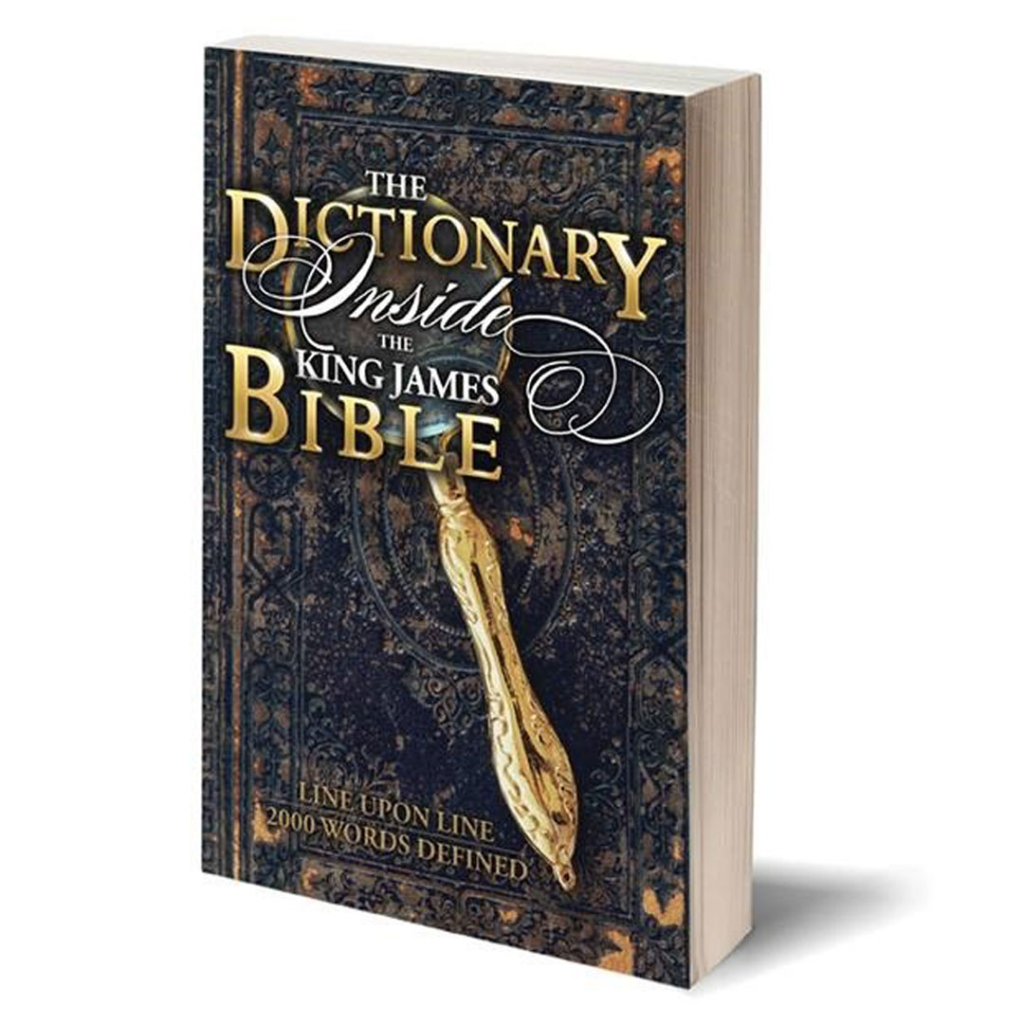
One of the most powerful revelations in the King James Bible is its built-in dictionary. Rather than relying on outside commentaries or modern rewordings, the KJV defines its own terms through first use, parallel phrases, and repetition across scripture. It is a Spirit-woven book that interprets itself.
Example: “Sanctify”
A modern reader might not instantly grasp the depth of this word. But the Bible defines it clearly:
- First use:
“And God blessed the seventh day, and sanctified it: because that in it he had rested from all his work…” (Genesis 2:3)
→ Here, sanctify is shown to mean setting apart for a special, holy purpose. - Clarified by contrast:
“Neither shall ye profane my holy name; but I will be hallowed among the children of Israel…” (Leviticus 22:32)
→ Hallowed = sanctified, contrasted with profane, giving further clarity. - Reinforced through usage:
“Sanctify them through thy truth: thy word is truth.” (John 17:17)
→ Shows how God sanctifies — through His Word. - New Testament application:
“That he might sanctify and cleanse it with the washing of water by the word…” (Ephesians 5:26)
The King James doesn’t define “sanctify” in a footnote — it weaves its meaning through the entire fabric of scripture. Once you’ve seen this, it changes how you read the Bible. You begin to let God define His own words.
Modern Bibles often short-circuit this process by replacing rich, spiritual words like “sanctify” with simplistic paraphrases — robbing the reader of layered meaning and doctrinal continuity.
See the Blog Series “The KJV Built-in Dictionary” for more examples on how God’s Word defines itself.
Sound and Sense: The Music of Meaning
Riplinger demonstrates that the King James Bible’s use of alliteration, rhyme, and rhythm is not poetic flair — it is divine imprint.
– “Seek ye the LORD while he may be found, call ye upon him while he is near.” (Isaiah 55:6)
– “But the LORD is in his holy temple: let all the earth keep silence before him.” (Habakkuk 2:20)
These are not just doctrinal — they are devotional. The KJV was designed to be memorized, spoken aloud, and heard with reverence. It is a book for the ear, not just the eye.
Typology, Symbolism, and Theological Precision

Riplinger also unpacks how the KJV preserves biblical typology and precise theological terms that modern versions obscure:
– “Holy Ghost” vs “Holy Spirit” — a loss of the personal, powerful presence.
– “Lust” vs “covetousness” — a clearer moral line.
– “Hell” vs “grave” or “Hades” — no softening of judgment.
Typological language like “blood,” “lamb,” “altar,” and “sacrifice” is preserved in the KJV, tying the Old and New Testaments together seamlessly. This continuity is often broken in modern Bibles.
A Final Word from the Author
Riplinger’s purpose is not merely academic. It is devotional. Her book ends not with a call to win arguments, but a call to fall in love with the Bible again:
“In awe of thy word” is not a posture of scholars — it is the heart of saints who tremble at His voice.”
Conclusion: A Book That Will Make You Worship
If *New Age Bible Versions* exposes the enemy’s strategy, *In Awe of Thy Word* magnifies the beauty of what we still hold.
This book will make you read the Bible differently, hear the Bible differently, and worship the Author more deeply. You will not only trust the King James Bible — you will be in awe of it.
“Open thou mine eyes, that I may behold wondrous things out of thy law.” (Psalm 119:18)
See the book review of “New Age Bible Versions”
Purchase “In Awe of God’s Word”
Review New Age Bible Tracts for yourself to see what the dire concerns are.