Series: Twisting the Scriptures — Post 7
Pitting One Verse Against Another
“It is written again, Thou shalt not tempt the Lord thy God.” — Matthew 4:7
“A false balance is abomination to the Lord: but a just weight is his delight.” — Proverbs 11:1
The devil quotes Scripture. He did it in the wilderness when he tempted Jesus. But Jesus responded with more Scripture—not to cancel the first verse, but to bring balance and right division.
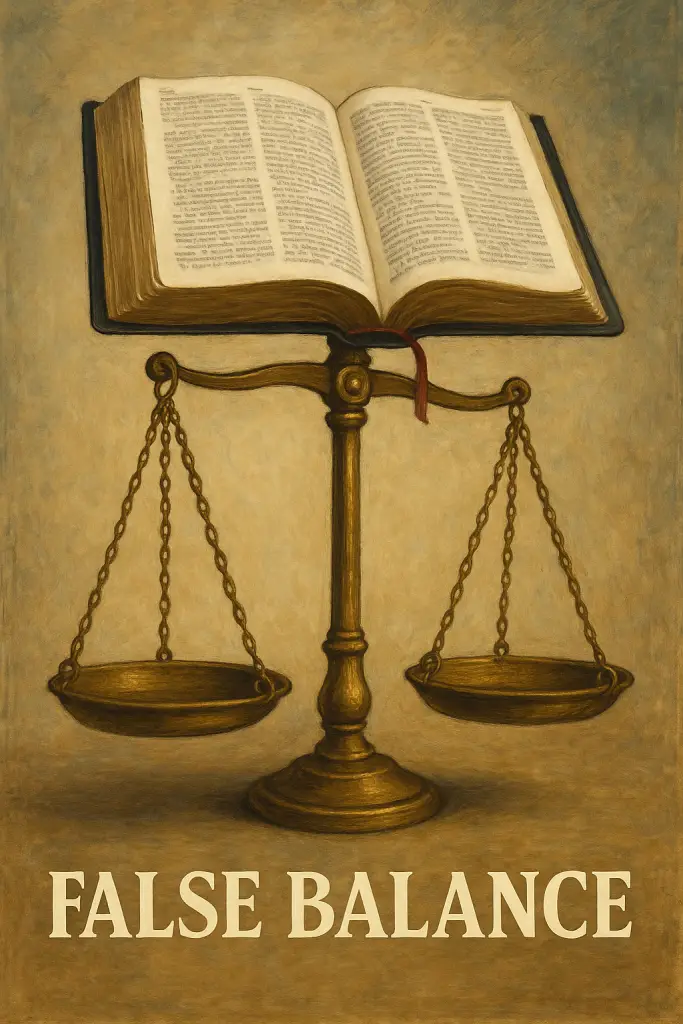
One of the cleverest ways people twist Scripture today is by using one verse to cancel another—instead of letting truth interpret truth. This is false balance—when a partial truth is elevated above the whole counsel of God, and Scripture is used to silence Scripture.
How False Balance Works
It sounds spiritual:
- “We’re under grace—not law.”
- “God is love—not wrath.”
- “Jesus said not to judge—so we shouldn’t call out sin.”
But each of these statements pits one truth of Scripture against another, creating a lopsided gospel that affirms the flesh and avoids conviction.
The serpent in Eden didn’t deny God’s Word—he distorted its proportions.
Examples of False Balance in Action
- Grace vs. Obedience
- “We’re saved by grace!” (Ephesians 2:8) — Yes, but not without obedience (Hebrews 5:9; James 2:17).
- Love vs. Holiness
- “God is love.” (1 John 4:8) — Yes, but also “Be ye holy.” (1 Peter 1:16)
- No Condemnation vs. No Continuance in Sin
- “There is therefore now no condemnation…” (Romans 8:1) — But only to them which walk not after the flesh.
- Don’t Judge vs. Judge Righteously
- “Judge not…” (Matthew 7:1) — Yet “Judge righteous judgment.” (John 7:24)
- God’s Kindness vs. His Severity
- “His mercy endureth forever.” (Psalm 136:1) — But also “Behold…the severity of God.” (Romans 11:22)
False balance is not about choosing between two opposing truths—it’s about refusing to embrace both.
The Real Problem: Selective Reading
Paul told the Ephesian elders:
“I have not shunned to declare unto you all the counsel of God.” — Acts 20:27
False balance thrives when we:
- Ignore difficult passages
- Pick verses that suit our doctrine
- Refuse to reconcile seemingly opposing truths
But Scripture is not self-contradictory. When rightly divided, all truth harmonizes.
Modern Translations and Doctrinal Tilt
Modern versions sometimes make this imbalance worse by:
- Softening words like “commandment,” “fear,” “judgment,” or “sin.”
- Replacing “fear of the Lord” with “reverence.”
- Omitting phrases that create tension (e.g., “walk not after the flesh” in Romans 8:1).
This encourages readers to build theology on half-truths, and ignore the weightier matters.
Biblical Balance Is Not Compromise
True balance is not compromise—it is full commitment to every word God has spoken.
“Man shall not live by bread alone, but by every word that proceedeth out of the mouth of God.” — Matthew 4:4
“Every word of God is pure…” — Proverbs 30:5
To pit one verse against another is to misrepresent the God who breathed them all.
Word for the Overcomer
Don’t let one verse become your whole gospel. Let every part of God’s Word speak—especially the parts that confront your flesh. True spiritual maturity walks in the whole counsel of God, rightly divided, joyfully received, and fully obeyed.