Series: Twisting the Scriptures — Post 3
A New Gospel by Vocabulary Substitution
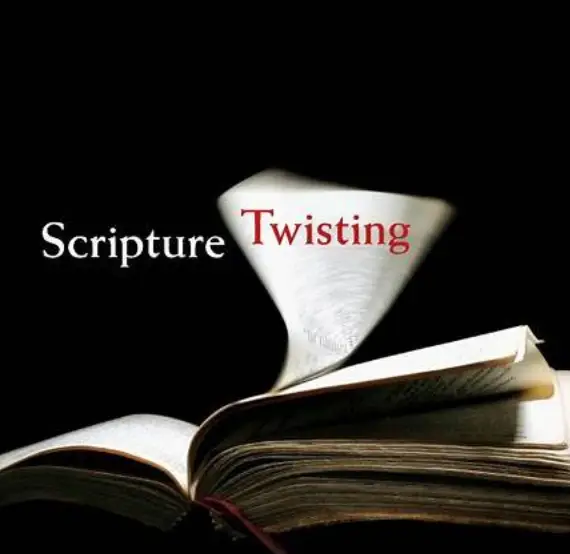
“Now the serpent was more subtil…” — Genesis 3:1
“If the foundations be destroyed, what can the righteous do?” — Psalm 11:3
A shift in vocabulary can cause a shift in theology.
Satan’s strategy in the garden wasn’t just to question God’s words—it was to reframe them. The enemy has always known that if you can redefine the key terms of the gospel, you can keep the same verses and still preach another gospel.
Modern deception doesn’t always sound like rebellion. It often comes clothed in familiar words with foreign meanings. Words like grace, faith, repentance, salvation, love, and sin are still used—but they no longer mean what the Bible meant.
When biblical language is emptied of biblical meaning, the result is a counterfeit Christianity with no power to save or sanctify.
The Battle Over Words
Paul warned of those who would preach “another Jesus… another spirit… another gospel” (2 Corinthians 11:4). But how is that possible using the same Bible?
By redefining the terms.
False teachers don’t always remove the words—they simply insert a new definition. And unless the hearer knows the Word of God intimately, the deception passes unnoticed.
Examples of Twisted Definitions
1. Grace
– Biblical: Divine empowerment to live holy and godly (Titus 2:11–12).
– Twisted: Unconditional acceptance without transformation.
2. Faith
– Biblical: Trust that obeys and submits (Hebrews 11:8; James 2:17–18).
– Twisted: Mental agreement without surrender.
3. Repentance
– Biblical: Turning from sin to God with sorrow and change (Acts 2:38; Luke 13:3).
– Twisted: Changing your mind without forsaking sin.
4. Love
– Biblical: Holy, sacrificial love rooted in truth (1 Corinthians 13:6).
– Twisted: Sentimentality or tolerance of sin.
5. Salvation
– Biblical: Deliverance from sin’s power through Christ.
– Twisted: One-time decision without life change.
6. Sin
– Biblical: Transgression of God’s law (1 John 3:4).
– Twisted: Brokenness, imperfection, or bad habits.
How New Bible Versions Support the Twisting
“If the foundations be destroyed, what can the righteous do?” — Psalm 11:3
Modern Bible versions have played a major role in supporting this redefinition trend. By changing key words, softening language, or altering doctrinal clarity, these versions strip the Bible of its convicting power and help reinforce false teaching.
Here are just a few examples:
- Grace
- KJV (Titus 2:11–12):
“For the grace of God that bringeth salvation hath appeared to all men, teaching us that, denying ungodliness and worldly lusts…” - NIV:
“For the grace of God has appeared that offers salvation to all people. It teaches us…” - The word “denying” is softened, and the moral demand of grace is often muted in modern versions.
- KJV (Titus 2:11–12):
- Repentance
- KJV (Acts 3:19):
“Repent ye therefore, and be converted, that your sins may be blotted out…” - ESV:
“Repent therefore, and turn back…” - The strong call to “be converted” is reduced to “turn back”—a vague phrase open to interpretation.
- KJV (Acts 3:19):
- Sin
- KJV (Romans 7:18):
“For I know that in me (that is, in my flesh,) dwelleth no good thing…” - NIV:
“I know that nothing good lives in me, that is, in my sinful nature…” - “Flesh” is replaced with “sinful nature,” a psychological term that softens the idea of active rebellion.
- KJV (Romans 7:18):
- Hell
- Modern versions often remove or reduce the number of times “hell” appears, using transliterations like “Hades” or simply “grave,” creating confusion and removing clarity about eternal judgment.
- Jesus’ Authority
- KJV (Colossians 1:14):
“In whom we have redemption through his blood…” - NIV/ESV:
“In whom we have redemption…” - The blood is removed in many versions, weakening the very foundation of the gospel.
- KJV (Colossians 1:14):
These are not just translation preferences—they’re doctrinally significant changes that support a new vocabulary for a new gospel.
“A little leaven leaveneth the whole lump.” — Galatians 5:9
Modern versions prepare the ground for modern teachings: less holiness, less repentance, less conviction—more comfort, more ambiguity, more error.
Why This Is So Dangerous
When the enemy redefines words:
– Believers lose discernment.
– Sin is excused instead of crucified.
– The gospel becomes emotional comfort instead of divine rescue.
– Sound doctrine becomes offensive.
– Conviction is labeled as ‘judgmental.’
– Holiness is recast as legalism.
This subtle shift leads to widespread apostasy while everyone still talks about Jesus, grace, and love.
The Biblical Call: Hold Fast the Form of Sound Words
God is not the author of confusion. His Spirit does not redefine truth to match the culture. He gives His people the mind of Christ and calls them to walk in truth, not just feel good about themselves.
The Word defines itself:
– ‘Scripture with Scripture’ confirms meaning.
– The Holy Ghost teaches us all things (1 John 2:27).
– God’s Word is not evolving—it is settled (Psalm 119:89).
The solution is not to cling to tradition—it is to return to the pure Word of God, preserved and uncorrupted. The King James Bible has stood for centuries as a faithful, spiritually consistent witness. Its language is not outdated—it is uncompromised.
Word for the Overcomer:
Don’t just know the words—know what they mean. Let the Holy Ghost train your ear to detect subtle shifts. When someone redefines grace, faith, or repentance, resist it like poison. For it is not mere semantics—it is war on the gospel itself.
Conclusion
The solution is not to cling to tradition—it is to return to the pure Word of God, preserved and uncorrupted. The King James Bible has stood for centuries as a faithful, spiritually consistent witness. Its language is not outdated—it is uncompromised.